Where Cambridge water heaters fail
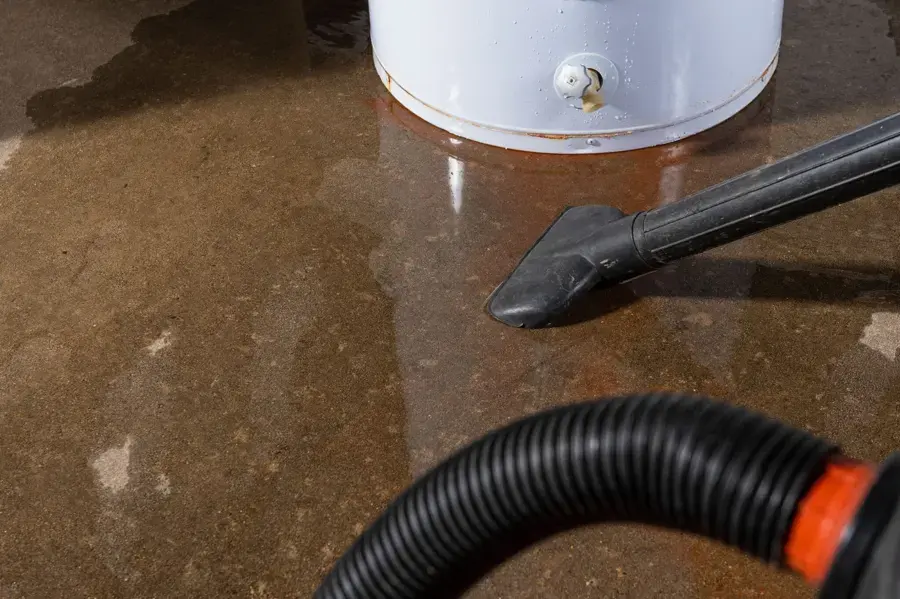
Most single-family homes keep the tank in the basement. Condo conversions changed that: many units in triple-deckers and brick buildings have their own tank in a closet or under a stair, one floor above a neighbor's ceiling. Tank water heaters commonly last about 8 to 12 years, and the tank itself rusts through from the inside, usually at the bottom seam.
- A rusted-through tank bottom
- A relief valve that discharges onto the floor
- Failed supply connections on top of the tank
- A clogged or missing drain pan in a closet
Cleaning up after a tank lets go
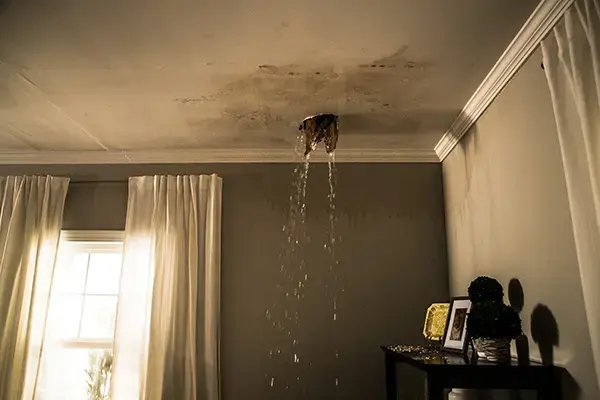
The extraction crew pulls the water from the floor and anything it reached, and the tech who does the walkthrough maps moisture under flooring, in the bottom of walls and, in a stacked building, in the ceiling below. Tank water is clean water at first, so most materials can dry in place if the drying team starts quickly. Finished floors, cabinet toe kicks and baseboards are checked and dried or removed based on the readings. See structural drying for the equipment and ceiling leak water damage for the unit below.
A drain pan piped to a floor drain under a closet tank turns a slow leak into a non-event. It is worth adding when the new heater goes in.
Signs a tank is near the end
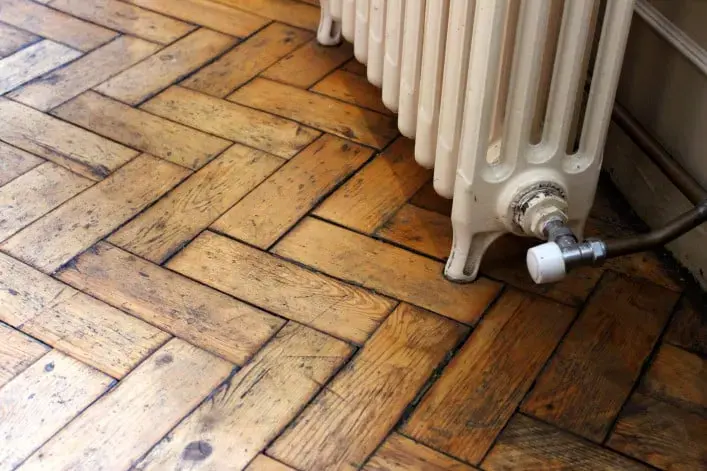
Rust at the base, rumbling noises, a damp floor around the tank or rusty hot water are warning signs. The Department of Energy water heating page covers maintenance and replacement options, and the EPA WaterSense leak page lists easy leak checks. When the tank sits next to the boiler, radiator and boiler leak water may be part of the same mess.
- Category. Tank water is Category 1 when drying starts quickly.
- Class. A closet leak into a floor and ceiling below is usually Class 2 to 3.
- Equipment. Extraction, air movers, LGR dehumidifiers, subfloor and cavity drying.
- Goal. Subfloor and framing within 2 to 4 points of a dry reference.