Why Cambridge floor drains back up
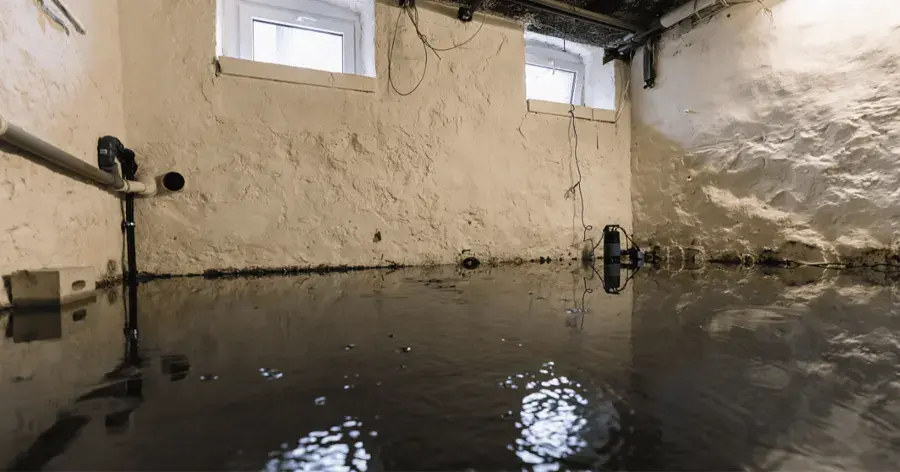
Parts of Cambridge still drain through older combined sewers, where rainwater and sewage share the same pipe. The city has separated much of the system over the years, but in a heavy downpour the pipes can still fill up, and the lowest opening in a building, usually the basement floor drain, is where the water comes back. The EPA page on combined sewer overflows explains how these systems behave in storms.
Multi-unit buildings add a second cause. A triple-decker or a small apartment building shares one main drain stack. A blockage in the main line under the basement means every flush upstairs comes out of the lowest fixture, which is often a basement toilet, shower or floor drain in a garden unit.
- Storm surcharge in older combined sewer areas
- Blocked or root-invaded building sewer lines
- Collapsed cast-iron or clay pipe under the basement
- A missing or failed backwater valve
How sewage cleanup is done
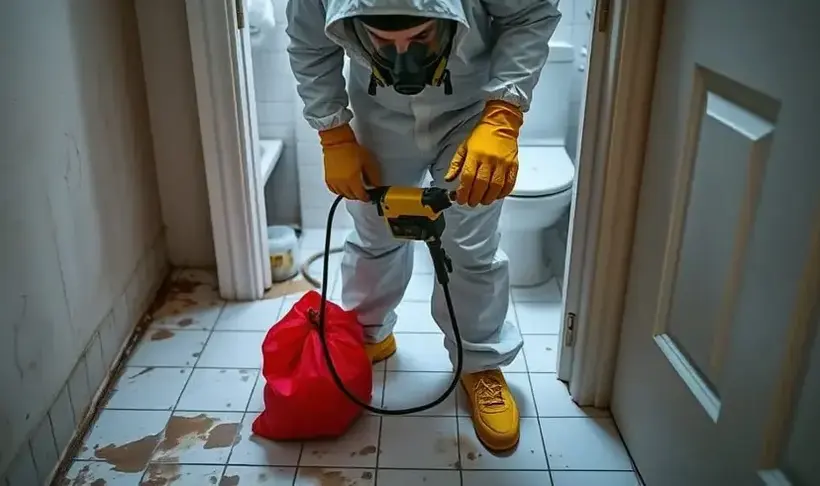
Sewage is Category 3 water the moment it happens, which changes the whole job. The mitigation team sets containment and HEPA air scrubbers, works in respirators and suits, and removes the porous materials the water touched: carpet, pad, the drywall above the wet line and insulation. Those materials are not dried, because contamination stays in them. Hard surfaces are cleaned and then treated with an EPA-registered antimicrobial, left for its full dwell time, before the drying team sets up.
After cleanup, ask a plumber about a backwater valve on the building sewer. It is one of the simplest ways to stop the next storm from coming back up the drain.
Drying and the claim file
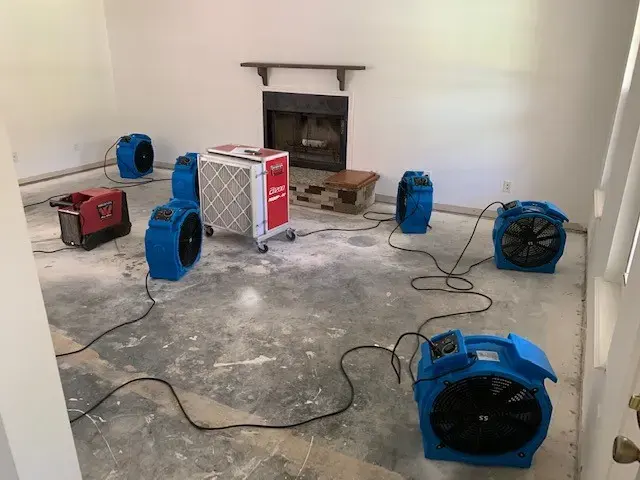
Once the area is clean, drying follows the same standard as any other loss, with daily readings logged until the framing and slab reach the drying goal. The claim file carries photos taken before removal, the category and class of the loss and the drying logs. Sewer backup coverage is often a separate endorsement, and a basement flood from outside water is treated differently again. The CDC sanitation guidance covers the health side.
- Category. Sewage is Category 3 the moment it happens.
- Porous materials. Carpet, pad, drywall and insulation touched by Category 3 water are removed, not dried.
- Protection. Respirators, suits and gloves, with containment and HEPA air scrubbers on contaminated losses.
- Treatment. Hard surfaces are cleaned, then treated with an EPA-registered antimicrobial at its dwell time before drying.