Standing water out first

Water Extraction in Cambridge, MA

Every hour water sits, more of it soaks into plaster, hardwood and the unit below. The extraction crew pulls standing water with truck-mounted and portable units, then the drying team sets up to the IICRC S500 standard.

(888) 629-3140Get the standing water pulled out now
24/7 dispatch Dried to IICRC S500 Daily moisture readings
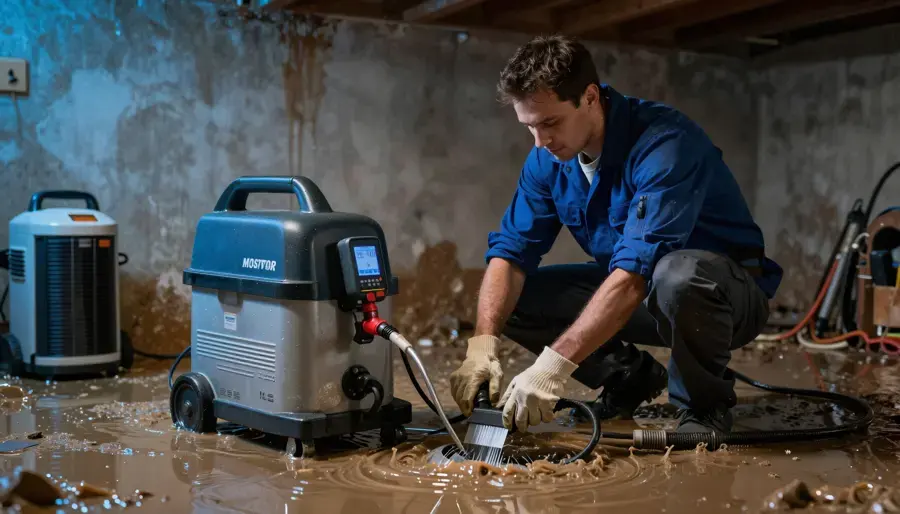
Technician extracting muddy standing water from a basement floor
Right now

What to do the moment you find standing water

  1. 1

    Stop the source

    Close the fixture valve or the main shutoff. If the water is coming from an upstairs unit, knock or call the owner and the condo association right away.

  2. 2

    Keep power away from water

    Switch off breakers for the wet rooms if the panel is dry and you can reach it without standing in water.

  3. 3

    Lift what you can

    Move rugs, boxes and electronics off the wet floor and set furniture legs on foil or wood blocks.

  4. 4

    Photograph, then call

    Take wide and close photos of the water line before anything is moved. Those images go into the claim file.

How the work is held to standard

How water extraction is handled in Cambridge

Rapid local response

Cambridge water damage pros dispatch around the clock, because water keeps moving through plaster and floor cavities overnight.

IICRC S500 drying standard

The drying team works to IICRC S500: structural drying, not just surface drying, verified with meters.

Claim-ready documentation

A moisture map, daily readings and timestamped photos go into the file your insurer reviews.

Cambridge water experts

Triple-deckers, rowhouses, radiators and fieldstone basements are everyday work in this city.

Typical cost ranges

What does water extraction cost in Cambridge, MA?

In Cambridge, MA, water extraction typically runs $400 to $3,500 on its own, depending on how much water there is, how deep it sits and whether it is clean or contaminated. Most losses then move straight into drying, which is priced separately.

One room, clean water

$400 to $1,200
  • Portable or truck-mount extraction
  • Carpet and pad checked
  • Moisture mapping

Basement or several rooms

$1,200 to $2,500
  • Truck-mounted extraction
  • Submersible pump for depth
  • Wet pad pulled

Deep or contaminated

$2,500 to $3,500+
  • Category 3 handling
  • Containment and PPE
  • Debris and pad disposal

The drivers are the water category, the square footage that got wet, the material class (drywall and carpet versus plaster, hardwood and fieldstone) and how fast drying started. For a planning number, try the Cambridge water damage cost calculator.

The dry-out, step by step

The water extraction process in Cambridge

The order of the work is what separates a finished dry-out from a cosmetic one.

  1. 1

    Map the moisture

    The tech who does the walkthrough traces the source and maps wet plaster, framing and floors with thermal imaging and pinless meters before any equipment goes down.

  2. 2

    Extract

    The extraction crew pulls standing water with truck-mounted or portable extraction, so the water leaves the building instead of running into the unit below.

  3. 3

    Set the drying

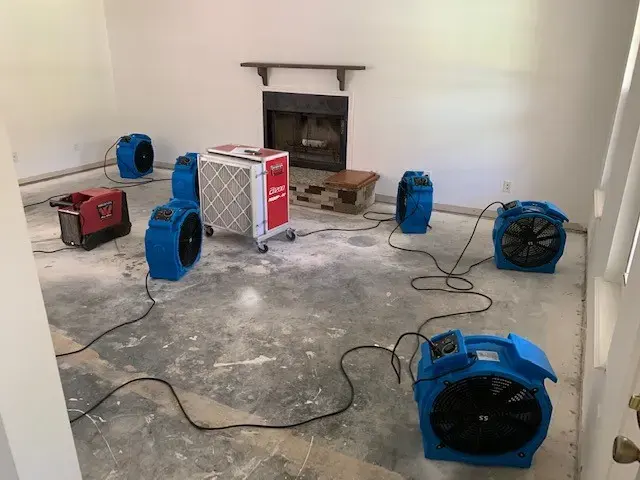
    The drying team sizes air movers to each room's evaporation load and runs LGR dehumidifiers, with desiccants for dense materials.

  4. 4

    Read it daily

    Moisture and psychrometric readings go into the drying log every day, and equipment moves to whatever is still wet.

  5. 5

    Verify and document

    Equipment comes out when the wet material sits within 2 to 4 points of a dry reference, and the logs go into the claim file.

Why extraction comes before anything else

Water that leaves the building as liquid costs far less to deal with than water that has to be evaporated out of wood, plaster and subfloor. A good extraction pass removes most of the free water in the first visit, which shortens the drying time and lowers the number of air movers and dehumidifiers the job needs.

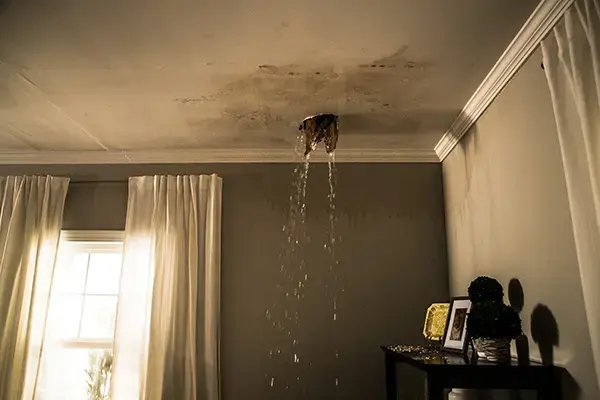
In Cambridge the stakes are higher than in a single-story house. In a triple-decker or a converted Victorian, water left on a top-floor kitchen floor does not stay there: it finds the gaps in old strip flooring, runs along the joists and shows up in the plaster ceiling of the unit below. Pulling the water fast on the floor where it started is what protects the units underneath. When it has already come through, ceiling leak water damage is its own job.

Truck-mounted or portable on Cambridge streets

Truck-mounted extraction has the most suction and sends the water straight out to the truck, so it is the first choice for basements and large carpeted areas. On tight streets in Cambridgeport, East Cambridge and around Inman Square, the truck cannot always park close, and a third-floor unit can be a long hose run up a back stair. The extraction crew then brings high-power portable extractors to the unit and uses the truck where it can reach.

  • Weighted extraction tools squeeze water out of carpet and pad
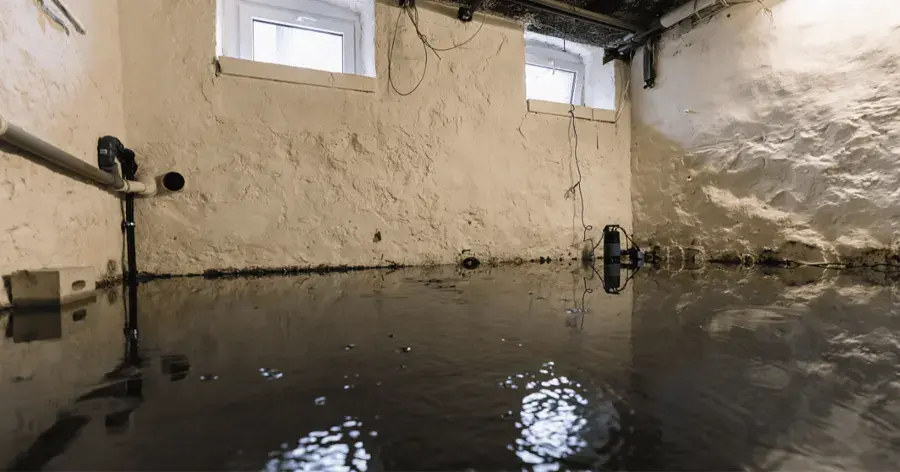
  • Submersible pumps handle basements with several inches of water
  • Squeegee wands work on tile, sealed hardwood and concrete
  • Wet pad and debris are bagged and carried out

What happens right after the water is out

Extraction is step one, not the finish. The tech who does the walkthrough maps moisture in the walls, floors and ceilings with thermal imaging and pinless meters, marks what can dry in place and what has to come out, and the drying team sets air movers and LGR dehumidifiers to the load of each room. The full process is on the structural drying page.

Speed matters because mold can start on wet organic materials in 24 to 48 hours; the EPA mold cleanup guidance explains why. If the water came from outside or from rising ground water, the Ready.gov flood safety page covers electrical and health precautions before anyone walks through it.

  • Category. Clean supply water is Category 1; water from a floor drain or toilet is Category 3 from the start.
  • Class. The amount of wet, porous material in the room sets how many air movers and dehumidifiers go in.
  • Equipment. Truck-mounted extraction, weighted extraction tools for carpet and submersible pumps for deep basements.
  • Goal. Structural drying to within 2 to 4 points of a dry reference material.
Questions

Water Extraction questions in Cambridge, MA

How fast should standing water be extracted?

As soon as possible. Clean water starts turning into Category 2 water within a couple of days, and every hour it sits, more of it soaks into plaster, hardwood and the ceiling below.

Can I use a shop vac instead?

For a small puddle, yes. For carpet, pad, a basement or anything that reached a wall, a shop vac leaves most of the water behind. Professional extractors pull far more water out of carpet and pad.

Will the carpet be saved?

Clean water carpet can often be extracted and dried in place, though the pad is usually replaced. Carpet touched by sewage or flood water is removed.

Does extraction include drying?

No. Extraction removes the liquid water. Drying the structure with air movers and dehumidifiers is the next step, tracked with daily readings.

What if the water came from the unit upstairs?

Extraction starts in both units: the source floor and the floor below. Water in a ceiling cavity is drained and dried from below.

Is water extraction covered by insurance?

Extraction after a sudden loss, like a burst supply line, is often covered after the deductible. Coverage depends on your policy, so it is worth checking with your own insurer.

Service area

Water extraction across Cambridge and next door

Cambridge, MA, from the Charles River to Alewife Brook

The Cambridge restoration crew handles water extraction in every Cambridge ZIP code: 02138, 02139, 02140, 02141, 02142 and 02238, from East Cambridge to North Cambridge.

The same crews work Somerville, Arlington, Belmont, Watertown, Allston and Brighton.

See every Cambridge neighborhood and ZIP

Emergency water removal

Standing water in a Cambridge home? Call now.

Extraction, moisture mapping and structural drying in every Cambridge ZIP code.

(888) 629-3140Start the water extraction now
Call (888) 629-3140 24/7 dispatch