Offices, labs, retail, apartments

Commercial Water Damage Restoration in Cambridge, MA

A water loss in an office, lab, shop or apartment building costs more every hour it stays open. The commercial restoration team extracts, contains and dries in phases so the rest of the building keeps working.

(888) 629-3140Get a commercial crew started
24/7 dispatch Dried to IICRC S500 Daily moisture readings
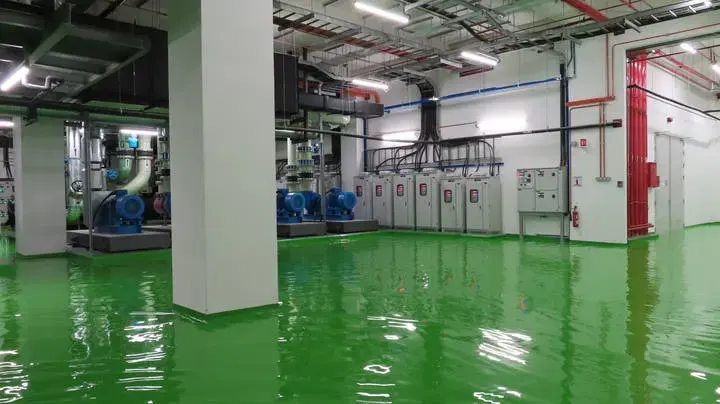
Standing water across the floor of a large building mechanical room
Right now

What to do the moment you find water in a commercial building

  1. 1

    Stop the source and isolate

    Shut the riser, the sprinkler zone or the fixture valve, and keep people away from wet electrical rooms.

  2. 2

    Call facilities and management

    Building engineers, property managers and the lab safety officer need to know right away.

  3. 3

    Protect equipment and records

    Cover or move computers, instruments, inventory and paper records away from the water.

  4. 4

    Document for the file

    Photograph the source, every wet area and damaged equipment before cleanup starts.

How the work is held to standard

How commercial water damage restoration is handled in Cambridge

Rapid local response

Cambridge water damage pros dispatch around the clock, because water keeps moving through plaster and floor cavities overnight.

IICRC S500 drying standard

The drying team works to IICRC S500: structural drying, not just surface drying, verified with meters.

Claim-ready documentation

A moisture map, daily readings and timestamped photos go into the file your insurer reviews.

Cambridge water experts

Triple-deckers, rowhouses, radiators and fieldstone basements are everyday work in this city.

Typical cost ranges

What does commercial water damage restoration cost in Cambridge, MA?

In Cambridge, MA, commercial water damage restoration typically runs $3,000 to $50,000 or more, depending on the square footage, the water category, the materials and how much of the building must stay open during drying.

Suite or storefront

$3,000 to $10,000
  • Extraction and drying
  • Containment
  • Daily readings

Floor or several units

$10,000 to $30,000
  • Phased drying
  • Large dehumidifiers
  • After-hours work

Large or contaminated loss

$30,000 to $50,000+
  • Category 3 protocol
  • Multiple zones
  • Full documentation

The drivers are the water category, the square footage that got wet, the material class (drywall and carpet versus plaster, hardwood and fieldstone) and how fast drying started. For a planning number, try the Cambridge water damage cost calculator.

The dry-out, step by step

The commercial water damage restoration process in Cambridge

The order of the work is what separates a finished dry-out from a cosmetic one.

  1. 1

    Map the moisture

    The tech who does the walkthrough traces the source and maps wet plaster, framing and floors with thermal imaging and pinless meters before any equipment goes down.

  2. 2

    Extract

    The extraction crew pulls standing water with truck-mounted or portable extraction, so the water leaves the building instead of running into the unit below.

  3. 3

    Set the drying

    The drying team sizes air movers to each room's evaporation load and runs LGR dehumidifiers, with desiccants for dense materials.

  4. 4

    Read it daily

    Moisture and psychrometric readings go into the drying log every day, and equipment moves to whatever is still wet.

  5. 5

    Verify and document

    Equipment comes out when the wet material sits within 2 to 4 points of a dry reference, and the logs go into the claim file.

Commercial water losses in Cambridge

Cambridge packs offices, research labs, retail, restaurants and apartment buildings into Kendall Square, Central Square, Harvard Square and the corridors between them. Many sit in older brick buildings with basement mechanical rooms, and newer lab buildings carry large sprinkler, chilled water and process piping systems. A failed riser, a sprinkler head, a roof drain or a basement backup can put water through several floors at once.

  • Sprinkler and riser failures in offices and labs
  • Roof drain and rooftop unit leaks
  • Restaurant kitchen and walk-in cooler leaks
  • Basement mechanical rooms and storage areas

Phased drying that keeps the building open

The commercial restoration team works zone by zone: extraction first, then containment walls and HEPA air scrubbers around the drying area so the rest of the floor keeps working. Large LGR and desiccant dehumidifiers handle big open spaces, and noisy work can run after hours. In labs, the team coordinates with the building's environmental health and safety staff before touching anything near equipment or chemicals.

For apartment and condo buildings, each affected unit gets its own moisture map and drying log, which keeps the paperwork clear for every owner and the association.

Documentation for owners and managers

Property managers and insurers need a clean record: the moisture map, daily psychrometric logs, timestamped photos before removal, the category and class of the loss, and a line-item scope. The same drying standard applies as in a home, just at a larger scale. See structural drying for the equipment and sewage backup cleanup when a building drain backs up. The OSHA flood cleanup page covers worker safety, and the Ready.gov business page helps with continuity planning.

  • Category. Clean risers and sprinklers are Category 1 to 2; sewer and outside water are Category 3.
  • Containment. Plastic containment and HEPA air scrubbers keep dust and moisture out of working areas.
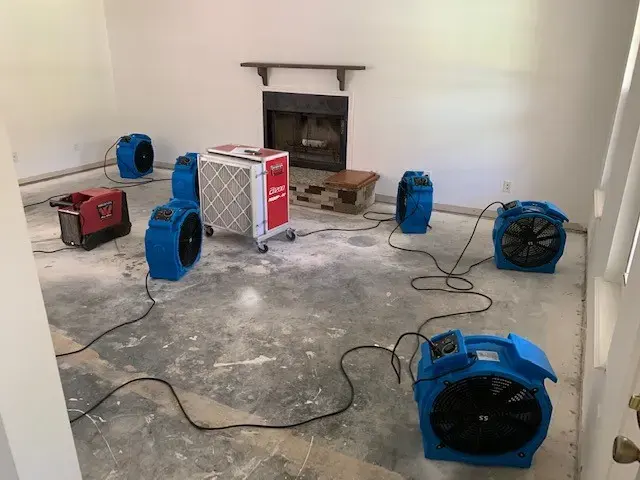
  • Equipment. Truck-mounted extraction, large LGR and desiccant dehumidifiers, air movers.
  • Goal. Materials within 2 to 4 points of a dry reference, logged daily.
Questions

Commercial Water Damage Restoration questions in Cambridge, MA

Can a business stay open during water damage restoration?

Often, yes. Containment and phased drying keep the work to one zone at a time, and noisy work can run after hours.

How are labs handled?

The restoration team coordinates with the building's environmental health and safety staff before working near instruments, chemicals or controlled areas.

Who gets the documentation?

The property owner or manager, and the insurer. Multi-unit buildings get a moisture map and drying log for each affected unit.

How long does commercial drying take?

Many commercial losses dry in three to five days per zone. Large or dense-material losses take longer, and equipment stays until readings reach the goal.

Is commercial water damage covered by insurance?

Commercial property policies vary widely, especially for sprinkler leakage, sewer backup and flood. Coverage depends on your policy, so it is worth checking with your own insurer.

What about a restaurant kitchen?

Kitchen losses are extracted and dried quickly, and any area touched by drain water is cleaned and treated before food service resumes, following the health department's rules.

Service area

Commercial water damage restoration across Cambridge and next door

Cambridge, MA, from the Charles River to Alewife Brook

The Cambridge restoration crew handles commercial water damage restoration in every Cambridge ZIP code: 02138, 02139, 02140, 02141, 02142 and 02238, from East Cambridge to North Cambridge.

The same crews work Somerville, Arlington, Belmont, Watertown, Allston and Brighton.

See every Cambridge neighborhood and ZIP

Emergency water removal

Water in a Cambridge business? Call now.

Extraction, containment and phased drying for offices, labs, shops and apartment buildings.

(888) 629-3140Get the Cambridge building dried out
Call (888) 629-3140 24/7 dispatch