Why Cambridge basements take on water
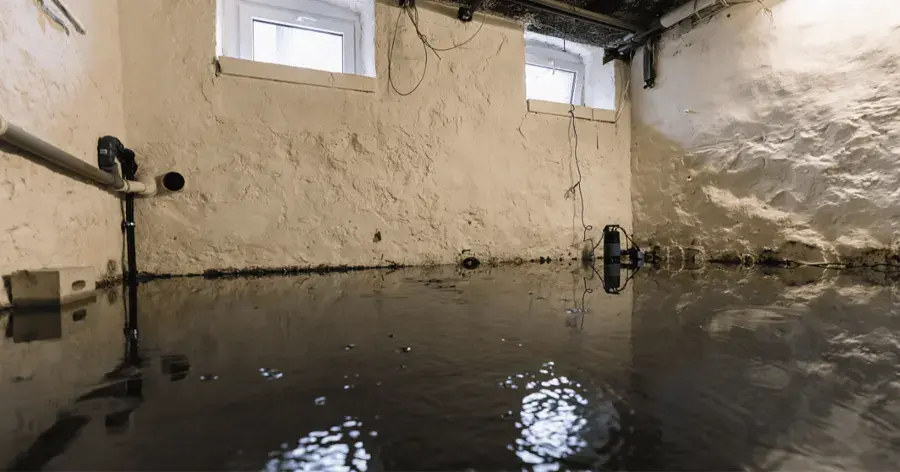
Much of the city's housing went up between the 1880s and the 1920s on fieldstone or brick foundations laid with lime mortar. Those walls were never built to be waterproof, and after a century of freeze and thaw they let ground water weep through the joints. East Cambridge and much of Kendall Square sit on filled former marsh, where the water table is close to the slab, and North Cambridge near Alewife Brook sees ground water rise after long rains.
- Ground water seeping through stone and brick walls after heavy rain
- Floor drain backups when the sewer is overloaded
- Water heaters and boiler lines failing in the basement
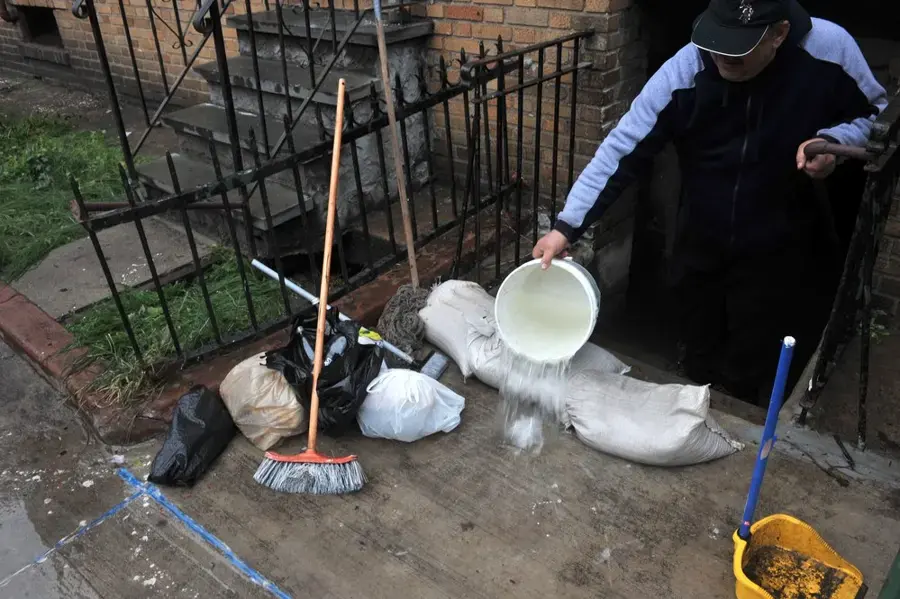
- Window wells and bulkhead doors letting surface water in
Garden-level units and finished basements
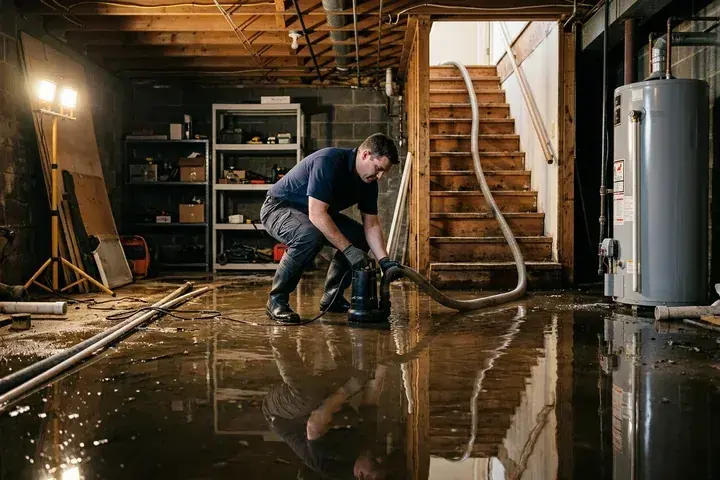
Many Cambridge two-families and triple-deckers were converted to condos, and the basement often became a garden-level unit or a finished family room. That turns a wet cellar into wet carpet, wet drywall and wet cabinets. The mitigation team cuts drywall above the wet line, pulls carpet and pad, and dries the framing and the slab. When the water came up the floor drain, the job follows the sewage backup cleanup protocol instead.
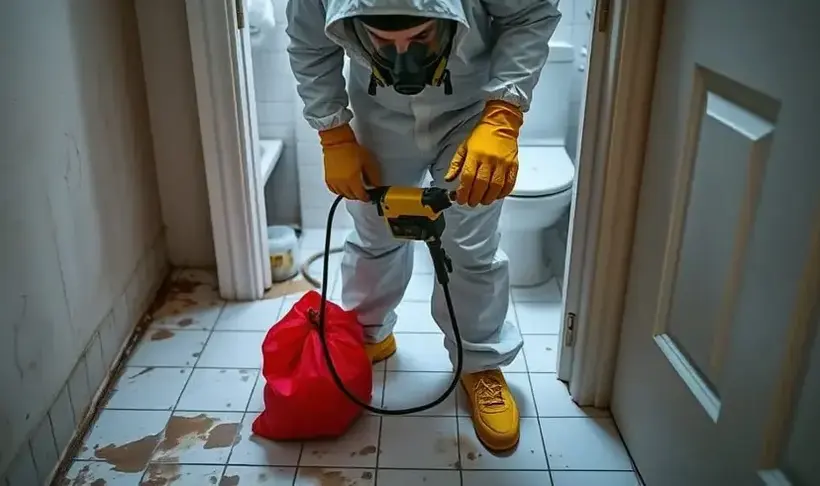
A basement that floods with clean water can usually be dried. A basement that floods from the floor drain has porous materials removed, not dried, because that water is Category 3.
Drying stone, brick and cold basements
Masonry holds a lot of water and gives it up slowly, and Cambridge basements are cool most of the year, which slows evaporation. The drying team often adds heat or desiccant dehumidifiers, which keep working in cold air where refrigerant units slow down. Readings are logged every day on framing, subfloor and the walls until they reach the drying goal. If the basement has a pump pit, sump pump failure cleanup covers what happens when it stops.
For storm season preparation, the Ready.gov flood page lists safe steps before and after water enters a home, and FEMA flood maps show where a property sits relative to mapped flood zones.
- Category. A pipe or water heater is usually Category 1; a floor drain backup or outside water is Category 3.
- Class. Finished basements with carpet and drywall are often Class 2 to 3; bare stone and concrete are Class 4 materials.
- Equipment. Submersible pumps, truck-mounted extraction, LGR and desiccant dehumidifiers, air movers.
- Goal. Framing and subfloor within 2 to 4 points of a dry reference; masonry dried to a stable reading.