How storm water gets into Cambridge buildings
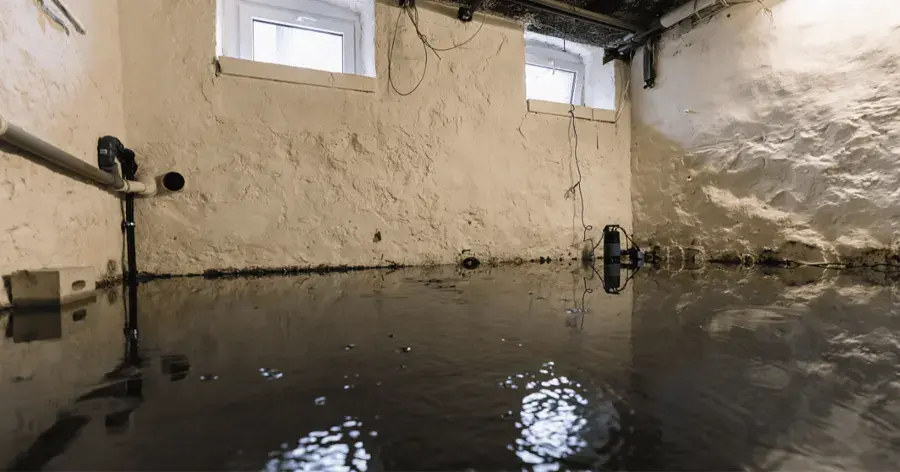
Cambridge is flat and low in many places. The Port and parts of Cambridgeport collect stormwater in heavy rain, North Cambridge and the Alewife area sit near Alewife Brook and the Little River, and much of East Cambridge is built on filled land close to the water table. The March 2010 storms flooded basements across the region, and summer cloudbursts can overload street drains in minutes.
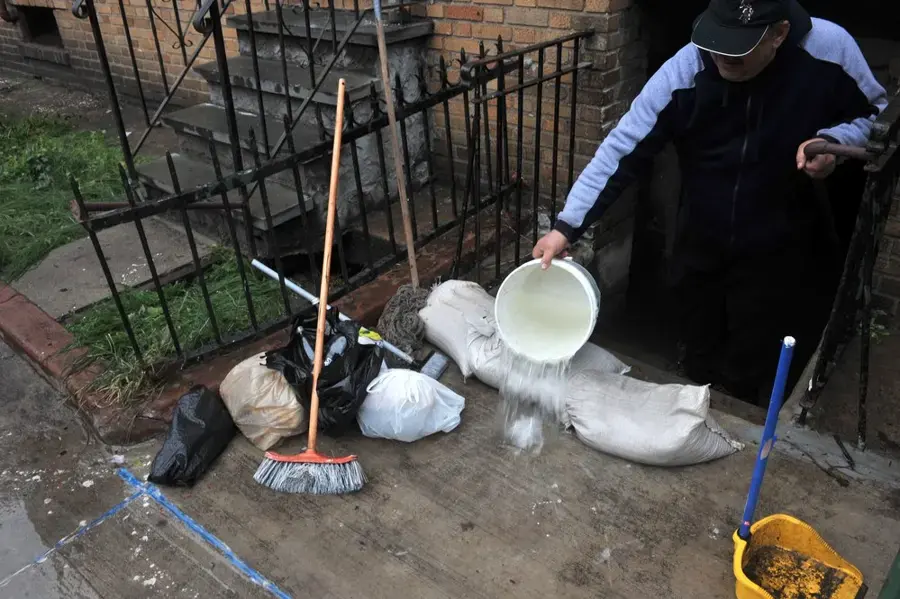
- Water pouring down basement bulkhead stairs
- Window wells that fill and push water through the frame
- Floor drains backing up when the sewer is full
- Water through fieldstone and brick foundation walls
Why storm water is handled as Category 3
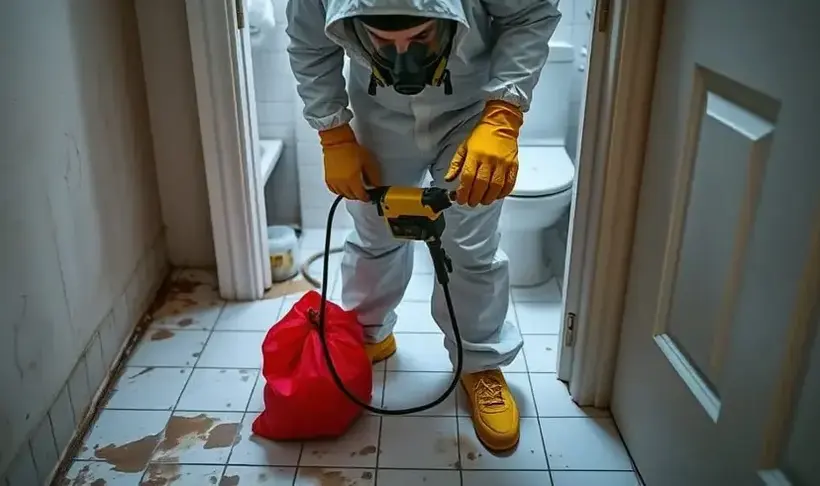
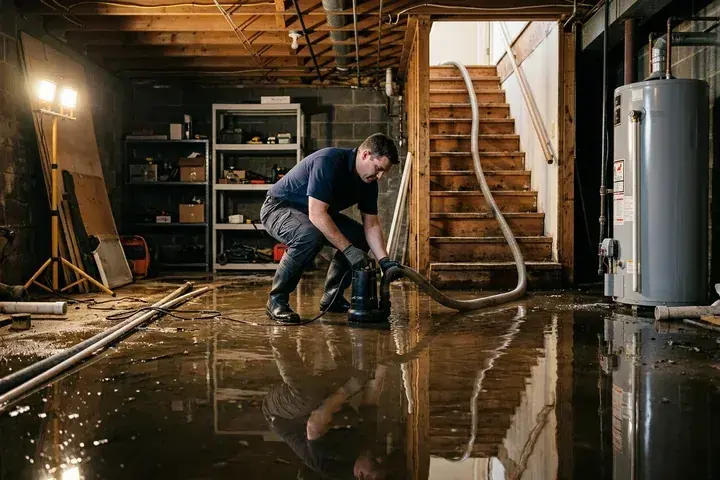
Water that flowed over streets, yards and through soil carries sewage, oil and bacteria. The mitigation team treats it as Category 3: porous materials the water touched are removed, hard surfaces are cleaned and treated with an EPA-registered antimicrobial, and only then does the drying team set up. Ground water that seeped slowly through a wall is sometimes cleaner, but the tech who does the walkthrough decides that at the job, not on the phone. When the water came up the floor drain, the sewage backup cleanup protocol applies.
Surface water from outside is usually a flood insurance question, not a homeowner policy question. Photos of the high-water mark matter.
After the storm
Once the water is out and the materials are removed, drying follows the same standard as any other loss, with daily readings logged until the goal is met. FEMA flood maps show whether a property sits in a mapped flood zone, and the Ready.gov flood page covers safety before re-entering a flooded basement. For pits and pumps, see sump pump failure cleanup.
- Category. Surface and flood water from outside is Category 3.
- Porous materials. Carpet, pad, insulation and drywall touched by it are removed, not dried.
- Treatment. Cleaning, then an EPA-registered antimicrobial on hard surfaces.
- Goal. Framing and slab within 2 to 4 points of a dry reference.